
The Benefits of Eating Healthy
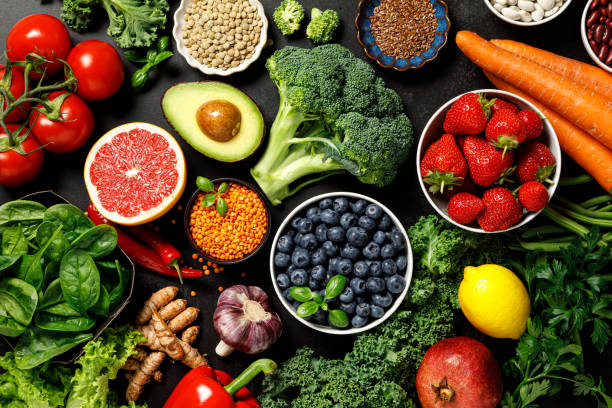
Eating a balanced and nutritious diet provides numerous benefits, from improving heart health to boosting mood and memory. A healthy diet typically includes nutrient-rich foods from all major food groups — lean proteins, whole grains, healthy fats, and colorful fruits and vegetables. Here are the top benefits of eating well:
1. Heart Health
Heart disease is a leading cause of death worldwide. Diet plays a crucial role in maintaining cardiovascular health. Eating plenty of vegetables, fruits, whole grains, lean proteins, and low-fat dairy can help reduce blood pressure and cholesterol. Limiting saturated and trans fats, added sugars, and sodium further supports heart function. High-fiber foods, such as beans and whole grains, lower the risk of heart disease, stroke, obesity, and type 2 diabetes.
2. Reduced Cancer Risk
A diet rich in fruits, vegetables, whole grains, and beans may help reduce the risk of certain cancers. While antioxidants in these foods show promise in laboratory studies, human evidence is still emerging. Maintaining a healthy weight also plays a key role in lowering cancer risk.
3. Better Mood
Nutrition affects mood through blood sugar regulation, immune system function, and gut health. Diets like the Mediterranean diet are linked to improved mental health, while high consumption of red meat, processed foods, and unhealthy fats may negatively impact mood.
4. Improved Gut Health
A diet high in fiber supports healthy digestion and the growth of beneficial gut bacteria. Fermented foods like yogurt, kimchi, sauerkraut, and miso provide probiotics, while fruits, vegetables, legumes, and whole grains offer prebiotics, improving overall gut function and easing digestive issues such as IBS.
5. Enhanced Memory and Brain Function
Healthy eating supports cognitive health. Micronutrients like B vitamins, iron, and polyphenols contribute to brain function. Diets such as the Mediterranean, Nordic, DASH, and MIND diets are associated with reduced risk of cognitive decline and dementia.
6. Weight Management
Eating nutrient-dense, low-calorie foods like fruits, vegetables, and beans helps maintain a healthy weight. Maintaining moderate weight lowers the risk of chronic conditions, including heart disease, diabetes, hypertension, osteoarthritis, stroke, certain cancers, and mental health issues.
7. Diabetes Management
A healthy diet helps manage blood glucose, cholesterol, and blood pressure in people with diabetes. Limiting added sugars, salt, fried foods, and unhealthy fats can prevent complications and support weight control.
8. Strong Bones and Teeth
Adequate calcium and magnesium intake is essential for bone and dental health. Foods rich in calcium include dairy, kale, broccoli, and canned fish with bones. Magnesium is abundant in green leafy vegetables, nuts, seeds, and whole grains.
9. Better Sleep
A healthy diet can improve sleep quality. Reducing alcohol and caffeine intake may promote restful sleep, while maintaining a healthy weight can reduce the risk of sleep apnea.
10. Quick Tips for Healthy Eating
- Swap sugary drinks for water or herbal tea
- Choose whole grains over refined carbs
- Include more fruits and vegetables in every meal
- Limit red and processed meats, opting for lean proteins
Summary
Eating a balanced diet offers numerous benefits, including lower risk of heart disease, stroke, obesity, diabetes, and cancer. It also supports mood, memory, digestion, sleep, and overall vitality. Consulting a doctor or dietitian can provide personalized guidance for healthier eating habits.
Leave a Reply